


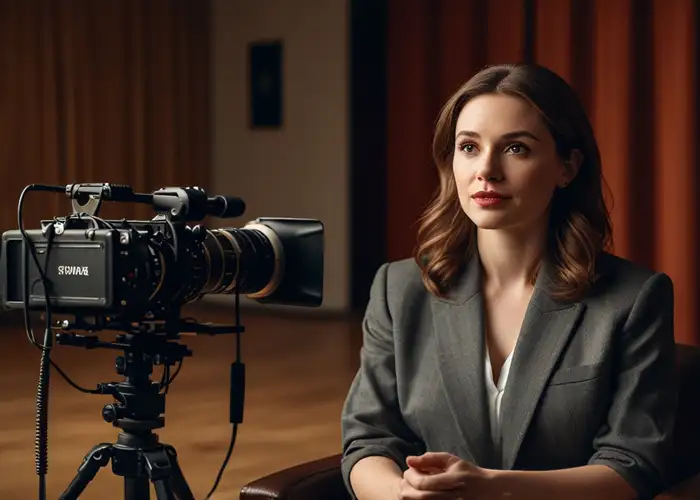
You’re sitting down with your favorite actress, armed with a set of engaging Actress Interview Questions, ready to uncover the stories behind her most iconic roles and the moments that have defined her journey.
What if you could ask her anything? Conducting an interview with an actress is more than a Q&A session, it’s a chance to connect on a personal level and explore the depths of her experiences both on and off the screen.
The right questions can turn a simple interview into an engaging, heartfelt conversation, revealing the woman behind the spotlight. Whether you’re a journalist, a dedicated fan, or just curious about the world of acting, this guide will help you craft thoughtful, insightful questions that spark genuine dialogue and uncover the stories that truly matter.
Are you excited to discover the secrets of asking the perfect questions? Let’s begin this journey together and delve into the art of engaging actress interviews!
Table of Contents
Actress
An actress is someone who plays roles in movies, TV shows, and plays. She uses her acting skills to bring characters to life, expressing their emotions and stories for audiences to enjoy and connect with. Through her performances, she entertains and often leaves a memorable impression on viewers.
20 Superior Actress Interview Questions

1. Tell us about yourself.
Answer: I’ve been passionate about acting since a young age, and I pursued formal training at [Name of School]. Over the years, I’ve worked on various theater productions and independent films, honing my craft and exploring different genres.
Tip: Keep your introduction concise yet informative, focusing on your relevant background and experiences.
2. Why did you choose acting as a career?
Answer: Acting allows me to embody diverse characters and tell compelling stories that resonate with audiences. It’s a powerful way to connect with people on an emotional level and make a meaningful impact.
Tip: Share a personal story or motivation that showcases your genuine passion for acting.
3. How do you prepare for a role?
Answer: I start by thoroughly analyzing the script to understand the character’s motivations and backstory. I conduct research if needed, and then I work on developing the character’s physicality, voice, and emotional depth through rehearsals and improvisation.
Tip: Highlight your structured approach to character preparation, emphasizing your attention to detail and dedication to bringing authenticity to your roles.
4. Can you describe a challenging role you’ve played? How did you handle it?
Answer: One of the most challenging roles I played was [Role Name] in [Production Name]. It required me to portray intense emotional turmoil. I approached it by conducting in-depth research, working closely with the director to refine my interpretation, and drawing from personal experiences to bring depth to the character.
Tip: Showcase your problem-solving skills and resilience in overcoming challenges during your performances.
5. What do you find most rewarding about acting?
Answer: The most rewarding aspect of acting for me is the ability to evoke emotions and provoke thought among audiences. It’s incredibly fulfilling to see how a performance can resonate with people and leave a lasting impact.
Tip: Focus on the emotional and artistic fulfillment you derive from acting, demonstrating your passion for the craft.
6. How do you handle rejection in auditions?
Answer: I view rejection as an opportunity for growth. Each audition experience teaches me something new, whether it’s refining my skills or gaining insights into the industry. I stay motivated by focusing on continuous improvement and staying resilient.
Tip: Emphasize your positive attitude towards setbacks and your ability to learn and grow from them.
7. What are your strengths and weaknesses as an actress?
Answer: My strengths lie in my ability to connect deeply with characters and deliver authentic performances. I’m always eager to explore new roles and challenge myself creatively. As for weaknesses, I’m continually working on refining my vocal range and mastering different dialects.
Tip: Be honest and self-aware when discussing your strengths and weaknesses, focusing on how you actively work to improve yourself.
8. How do you collaborate with directors and fellow actors?
Answer: I believe in open communication and teamwork. I’m receptive to feedback from directors and collaborators, as it helps me refine my performance and contribute effectively to the overall vision of the production.
Tip: Highlight your collaborative skills and adaptability, demonstrating your ability to work well with others in a creative environment.
9. Can you share a memorable experience from a past production?
Answer: One memorable experience was during [Production Name], where our ensemble faced a challenging scene that required precise timing and emotional depth. Through rehearsals and mutual support, we successfully brought that scene to life, creating a powerful moment on stage.
Tip: Share a specific anecdote that showcases your teamwork, problem-solving abilities, or a particularly gratifying moment from your career.
10. How do you stay motivated during long hours on set?
Answer: I stay motivated by reminding myself of the importance of my role in the production. I focus on maintaining my energy levels, staying disciplined with breaks and nutrition, and nurturing a positive mindset to give my best performance.
Tip: Show your professionalism and dedication to maintaining focus and energy throughout demanding shoots.
11. How do you handle pressure or criticism from reviewers?
Answer: I view criticism as constructive feedback that helps me grow as an actress. I carefully evaluate the feedback, identify areas for improvement, and use it as motivation to refine my skills and deliver stronger performances in the future.
Tip: Show your ability to handle pressure with grace and your willingness to learn from feedback to enhance your craft.
12. What techniques do you use to memorize lines?
Answer: I use a combination of repetition, association, and visualization techniques. I break down the script into smaller sections, focus on understanding the context and emotions behind each line, and practice until the dialogue becomes natural and fluid.
Tip: Share your organized approach to memorization, demonstrating your commitment to thorough preparation.
13. How do you handle unexpected challenges during live performances?
Answer: I approach unexpected challenges with adaptability and focus. Whether it’s a missed cue or a technical issue, I stay in character and work closely with my fellow actors to find a solution without breaking the flow of the performance.
Tip: Highlight your ability to think on your feet and maintain professionalism under pressure.
14. Can you discuss a role where you had to embody a character very different from yourself? How did you prepare?
Answer: Playing [Character Name] in [Production Name] required me to step into a completely different mindset. I researched extensively, studied mannerisms, and consulted with experts to authentically portray the character’s background and experiences.
Tip: Showcase your versatility and dedication to thorough character research and transformation.
15. How do you balance portraying emotions authentically while maintaining the technical aspects of acting?
Answer: I believe in grounding emotional expression in a strong understanding of the character’s motivations and objectives. I practice emotional recall techniques and work closely with directors to ensure my performance is both genuine and technically proficient.
Tip: Show your ability to integrate emotional depth with technical precision in your acting approach.
16. What role from literature or film would you love to bring to life on stage or screen, and why?
Answer: I’ve always been fascinated by [Character Name] from [Book/Film Title]. The complexity of their journey and the emotional range required to portray them would be a thrilling challenge that aligns with my strengths as an actress.
Tip: Share your passion for specific characters or narratives, emphasizing your enthusiasm for taking on new and challenging roles.
17. How do you approach developing chemistry with your on-screen or on-stage partners?
Answer: Building chemistry starts with establishing trust and communication with my co-stars. I invest time in rehearsals to develop rapport, understand their acting styles, and collaborate on creating authentic and compelling relationships between our characters.
Tip: Highlight your collaborative skills and ability to create believable connections with fellow actors.
18. In what ways do you continue to grow and evolve as an actress outside of formal roles?
Answer: Outside of roles, I prioritize ongoing training and workshops to expand my skills. I explore different acting techniques, participate in community theater projects, and seek opportunities to perform in diverse genres to broaden my experience.
Tip: Show your commitment to continuous learning and personal development in your craft.
19. How do you approach roles that require physical or vocal transformations?
Answer: For roles involving physical or vocal transformations, I collaborate closely with trainers and coaches to develop specific techniques. I prioritize maintaining physical health and vocal stamina through disciplined practice and warm-up routines.
Tip: Showcase your dedication to preparing physically and vocally for roles that require specific transformations.
20. Can you share an instance where you had to improvise during a performance? How did you handle it?
Answer: During a performance of [Production Name], a prop malfunctioned unexpectedly. I quickly improvised by incorporating the mishap into my character’s actions, ensuring the scene continued seamlessly while maintaining the integrity of the performance.
Tip: Illustrate your quick thinking and adaptability in handling unexpected situations on stage or screen.
Insights for Actress Interviews
| Aspect | Insight |
|---|---|
| Research | Understand the actress’s background, notable works, and recent projects to tailor your questions and show genuine interest. |
| Question Variety | Incorporate a mix of questions about career, personal experiences, challenges, and industry perspectives to provide a comprehensive interview. |
| Open-Ended Questions | Frame questions that encourage detailed responses, allowing the actress to share stories and insights beyond yes/no answers. |
| Active Listening | Pay attention to the actress’s responses to ask meaningful follow-up questions, demonstrating engagement and respect. |
| Comfortable Environment | Create a relaxed atmosphere to help the actress feel at ease, which can lead to more candid and insightful answers. |
| Ethical Considerations | Avoid intrusive or overly personal questions that may make the interviewee uncomfortable; respect boundaries and focus on professional experiences. |
| Technical Preparation | Ensure all recording equipment is functioning properly to avoid technical issues that could disrupt the flow of the interview. |
| Time Management | Be mindful of the allotted time for the interview, prioritizing key questions and allowing space for in-depth discussion without rushing. |
| Post-Interview Process | Inform the actress about the publication process, offer to share the final piece before it goes live, and express gratitude for her time and insights. |
Key Tips for Conducting Actress Interviews
- Thorough Preparation: Research the actress’s career and recent work to ask informed and relevant questions.
- Diverse Questioning: Balance questions about professional experiences with those that explore personal insights and industry views.
- Encourage Storytelling: Ask open-ended questions that prompt the actress to share anecdotes and detailed responses.
- Maintain Professionalism: Respect the interviewee’s boundaries, avoiding overly personal or intrusive questions.
- Technical Readiness: Ensure all equipment is set up and tested before the interview to prevent technical disruptions.
- Express Appreciation: Thank the actress for her time and insights, and offer to share the final interview before publication.
Conclusion
Interviewing for an acting role isn’t just about showing talent, it’s about sharing your passion and readiness. Each question digs into your dedication, adaptability, and love for storytelling. By discussing how you prepare, handle challenges, and collaborate, you reveal your commitment to growth and your unique essence as an artist.
This approach not only showcases your skills but also leaves a lasting impression, showing you’re ready to shine in the entertainment industry.
Also Read: 30 Awesome Clinical Nurse Manager Interview Questions
FAQs

How to be a perfect actress?
If you aspire to be a great actor, be ready to dedicate yourself, take chances, and stay authentic. Embrace vulnerability and let emotions drive your performances. Trust your instincts and let your passion illuminate every role. Most importantly, never cease to learn and evolve as an artist.
How can I be a confident actress?
Here are some tips to build self-belief as an actor:
1. Know your strengths: Take time to reflect on your unique talents and abilities.
2. Develop your skills: Continuously work on improving your craft and expanding your abilities.
3. Surround yourself with support: Build a supportive network of mentors, peers, and collaborators.
4. Embrace failure: Understand that setbacks are part of the learning journey.
5. Believe in yourself: Trust your abilities and the path you’ve chosen.
6. Practice positive self-talk: Encourage yourself with affirmations and constructive thoughts.
What are good reasons to be an actress?
Success in terms of fame, artistic recognition, and wealth is often experienced by many accomplished actors throughout their careers. However, reaching the pinnacle can be a demanding journey fraught with numerous challenges.
What is the secret of acting?
Successful actors remain authentic to themselves and their characters. Rather than imitating others, they imbue each role with their distinctive essence, creating memorable and genuine performances. Their success is rooted in passion, dedication, empathy, and a commitment to lifelong learning.
How can a normal girl become an actress?
If you’re aspiring to become an actress, here are the essential steps to follow:
1. Attend acting classes to hone your skills.
2. Promote yourself using industry tools and resources.
3. Research potential roles that align with your interests and strengths.
4. Audition regularly to gain experience and exposure.
5. Seek representation from a reputable agent.
6. Secure acting jobs through auditions and networking.
